
Staff Q&A: Chief Program Officer Laurie Kleinbaum Fink
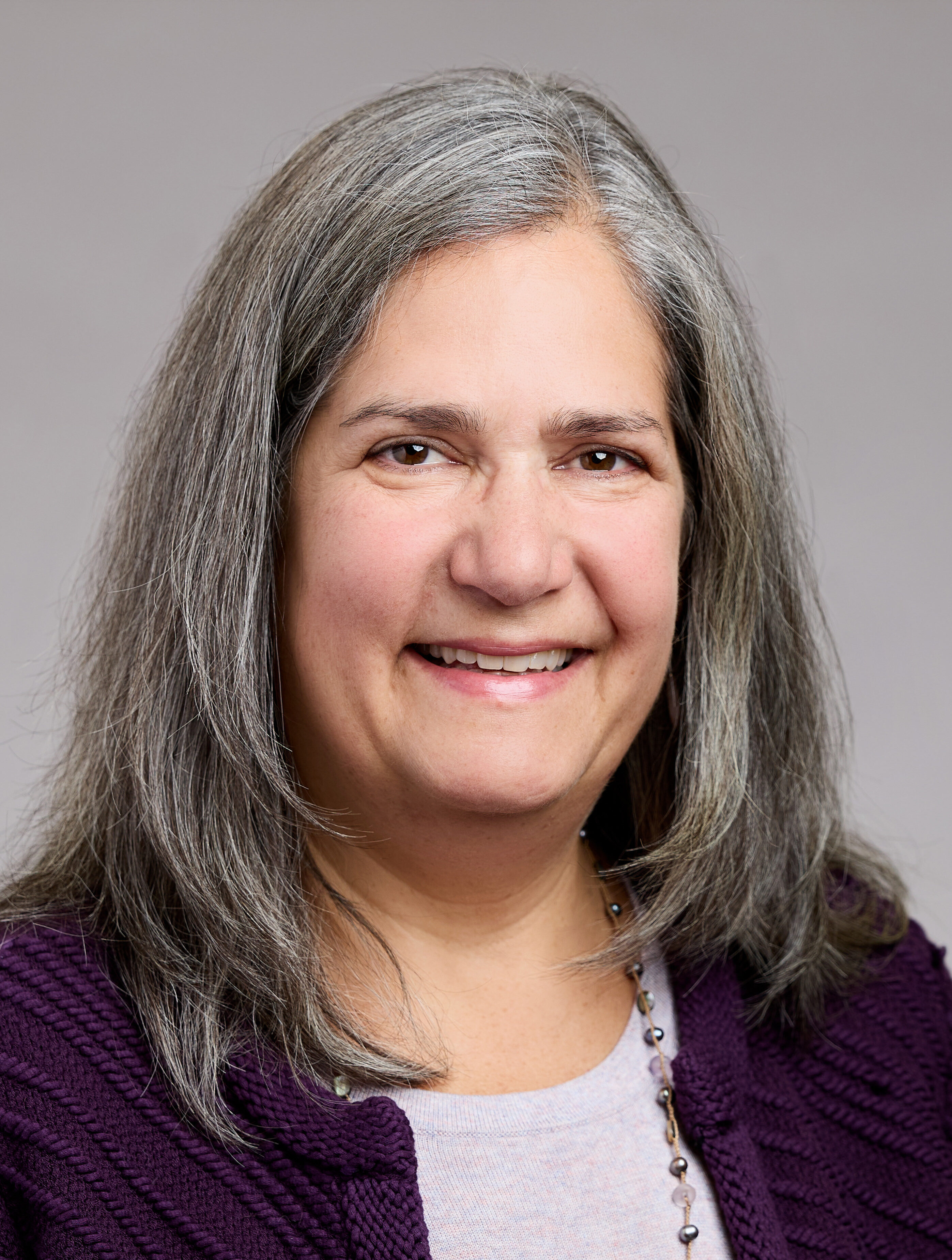
Laurie Kleinbaum Fink became JFCS of Minnesota’s Chief Program Officer in October 2025 after a long career with the Science Museum of Minnesota, where she served as Chair of Science. She recently spoke about why she wanted to make the transition to her role with JFCS, her experiences in the early months of this position, and what she hopes to accomplish in the future:
Why did the Chief Program Officer role appeal to you?
After 25 years of working to make science, technology, engineering, and math (STEM) accessible to everyone, now was the time to bring my leadership experience to a community that is very important to me and my identity.
JFCS of Minnesota is an important part of our community, and the agency values align well with my own. The chance to bring my years of non-profit leadership to an organization that provides essential services to people of all ages and backgrounds was something I couldn’t pass up. It was especially exciting to think about the role I could play as we integrate Jewish Family Service of St. Paul’s (JFS) programs and services into JFCS of Minnesota, since I have a leg on each side of the river.
What excites me most is applying a fresh lens to program accessibility and impact reporting. The same questions I asked in STEM communication and program development translate directly to human services. This includes: Where are the communities’ greatest needs? Who is missing from the conversations? How do we reach everyone? What is the best way to make the biggest impact? I’m eager to answer these questions here, and to help JFCS reach even more of the people who need it most.
What do you feel are the strengths of JFCS’ programs and services?
I’ve been at JFCS of Minnesota for just over six months and I’m discovering something new every day. It is evidence to the depth and breadth of what JFCS offers. The organization’s strength is in the quality and variety of programs and services.
With over 30 programs, there is something for everyone, whether you are looking for assistance, a shared community, or want to help and support others. Go on a nature walk with a therapist, get help with a job search or career change, secure the services you need as you age in your own home, receive support as a caregiver, connect with people in a similar stage of life, or volunteer to help others. We are Here for all. Always.
How are JFCS’ programs responding to difficult economic and political times in the community?
JFCS clients report feeling supported by their case managers, therapists, and home visitors, especially during difficult times. Our Intake and Resource Connection staff connect people with JFCS’ holistic services, or if it’s outside of our programming areas, with other agencies and resources across the Twin Cities. During these uncertain times, we try to be as nimble as possible.
How are JFCS’ programs growing and evolving following the agency’s acquisition of JFS at the start of the year?
I’m really excited about all the opportunities that are yet to come now that we are one agency serving the whole community. We are expanding our reach, responding more comprehensively to emerging needs, and building a stronger, more sustainable future for Jewish human services across Minnesota.
Staff at JFCS of Minnesota are working hard to understand different business models and how to merge and expand programs to serve more people. We have the opportunity to bring the best out of programs that were running in parallel in the past. For example, before Passover, we examined the two programs that delivered Passover bags of food and ritual items and tried some new approaches. We will keep learning and evolving programs going forward.
What do you enjoy most about your position and what are you most looking forward to in this role?
The people! From my very first day, I’ve felt genuinely welcomed by my colleagues and the culture of JFCS. What keeps me energized is that no two days are the same. We might be doing some strategic planning about the Kosher Meals on Wheels program in the morning and developing a funding plan or a grant proposal in the afternoon, followed by a staff coaching session to round out my day. What helps me through the challenges is knowing that what we do at JFCS changes lives. Every program, every staff member, every interaction is moving someone forward. Being part of that matters.
As I look forward, I’m excited about the challenges of integrating the two organizations. Bringing us together, finding the resources to expand the work, and creating the processes to best serve the needs of our community is complex – and if done well will multiply our impact for years to come.
Besides learning about the JFCS programs, what is something else that is new to you in this role?
In early June, I had the opportunity to participate in the Network of Jewish Human Service Agencies’ (The Network) Advocacy Fly-In. Along with 40 other professionals and lay leaders representing 23 member agencies across 17 states, I participated in two days of advocacy, education, and relationship-building in Washington, D.C. bringing human services priorities to Capitol Hill. This was a new experience for me.
We engaged in a fast-paced program that included policy briefings from national coalition partners on critical issues impacting our communities, including SNAP and Medicaid. We also received a personal briefing from Congressman Mike Lawler (NY) and participated in nearly 100 meetings with Congressional offices on Capitol Hill.
Along with The Network’s Board Member Marsha Greenfield, I participated in five meetings with Minnesota legislator staff members from the offices of Rep. Emmer, Rep. Stauber, Rep. Craig, Rep. Finstad, and Sen. Klobuchar. We shared The Network’s priority issues and our concerns around SNAP cuts, Medicaid work requirements, changes to behavioral health loan limits for graduate programs, and the re-authorization of the Workforce Innovation and Opportunity Act (WIOA), which is designed to strengthen and improve the country’s public workforce system by helping job seekers. We shared how all these issues impact staff and clients at JFCS of Minnesota.
This year’s gathering marked the third annual Fly-In—and the fourth Fly-In overall following two successful advocacy missions last year. The event brought together a strong mix of first-time advocates and seasoned policy leaders, creating valuable opportunities for mentorship, collaboration, and shared learning.
I was honored to represent JFCS of Minnesota and learn from my colleagues at agencies across the U.S.